The Short Version
A certificate of analysis reports what a laboratory found in one specific batch. The four things to check are the batch number, the date, the name of the laboratory, and whether the tests listed are the ones that matter. A COA with no batch number is a brochure.
What The Document Is
When a batch of product is made, samples go to a laboratory. The laboratory runs a specified set of tests and issues a certificate reporting the results against the specification it was given. That certificate is a factual record of one batch on one date, and nothing more.
This matters because dietary supplements in the United States are regulated as food rather than as medicine. There is no pre-market approval and no requirement that anyone verify the panel before the product is sold. Manufacturers must follow current Good Manufacturing Practice, and the FDA inspects facilities, but nobody checks each bottle. The COA is the voluntary substitute, which is why its details deserve scrutiny.
The Four Lines That Decide Whether It Counts
1. The batch or lot number
It must be there, and it must match the number printed on the bottle in your hand. A certificate for a batch made two years ago describes a batch made two years ago. This single check disqualifies most of the COAs used as marketing decoration.
2. The date of analysis
Recent enough to plausibly cover current stock. A gap of several years between the analysis and the product on sale means the document is history rather than evidence.
3. The laboratory
A named, independent, ideally ISO/IEC 17025 accredited laboratory, on its own letterhead. A certificate produced in-house by the manufacturer is not third-party testing, whatever the website calls it.
4. The tests actually run
This is where most certificates quietly disappoint. Identity and microbiology are common; the ones that cost money are frequently missing.
| Test | What it answers | How often you see it |
|---|---|---|
| Identity | Is this plant the plant on the label | Usually |
| Microbiology | Bacteria, yeast, mould within limits | Usually |
| Heavy metals | Lead, arsenic, cadmium, mercury | Often |
| Potency or assay | How much active compound is present | Sometimes |
| Pesticide residue | Agricultural contamination | Rarely |
| Residual solvent | What extraction left behind | Rarely |
Why Potency Is The Interesting One
Identity testing says the jar contains gymnema. Potency testing says how much gymnemic acid is in it. Those are very different questions, and for a botanical the second is the one that determines whether anything happens.
This is exactly the problem a proprietary blend creates. When twenty-two ingredients share a single 200 mg weight, a laboratory can confirm they are all present and still leave you no wiser about whether any individual one reaches a quantity used in research. The arithmetic is worked through on the ingredient list, and the two ingredients where the difference bites hardest are Gymnema Leaf and Coleus Root.
The one exception on this label. Chromium is declared with its own figure, which means an assay result can be checked against the panel. That is the only ingredient here where a COA could confirm or contradict the bottle.
Four Ways A COA Can Be Worthless
- No batch number, so it cannot be tied to anything you can buy.
- A raw-material certificate from the ingredient supplier, describing powder in a drum rather than the finished product.
- A cropped image showing the pass results with the specification column removed. Pass against what?
- An in-house document presented as independent testing.
How To Ask For One
Email customer service with the batch number from your bottle and ask for the certificate of analysis covering that lot, including heavy metals and potency. Note what comes back, and note how long it takes.
- A batch-matched certificate from a named laboratory is the good outcome.
- A generic certificate for a different lot is a partial answer worth keeping.
- A marketing paragraph about quality standards, or silence, is also an answer.
Where to write, and what the FDA facility registration on the box does and does not mean, are covered on the editorial standards page. Registration means the facility told the FDA it exists and is subject to inspection. It is not approval of the product, and any site that implies otherwise is telling you something about itself.
Questions On This Guide
What readers ask after reading this article.
Is a certificate of analysis legally required?
No. In the United States, dietary supplements need no pre-market approval, and publishing a COA is voluntary. Manufacturers must comply with current Good Manufacturing Practice and keep records, but nothing obliges them to show you one.
Does FDA-registered mean the product is FDA approved?
No, and the distinction matters. Registration records that a facility exists and can be inspected. The FDA does not approve dietary supplements before sale.
What heavy metal limits should I look for?
Californian Proposition 65 thresholds are the strictest commonly referenced and are what cautious manufacturers test against. USP also publishes limits. Any certificate should show the limit alongside the result, not the result alone.
Can a COA tell me whether a supplement will work?
No. It reports composition, not effect. A perfectly clean certificate for a formula with no outcome trials behind it tells you the bottle is what it says and nothing about what it does.
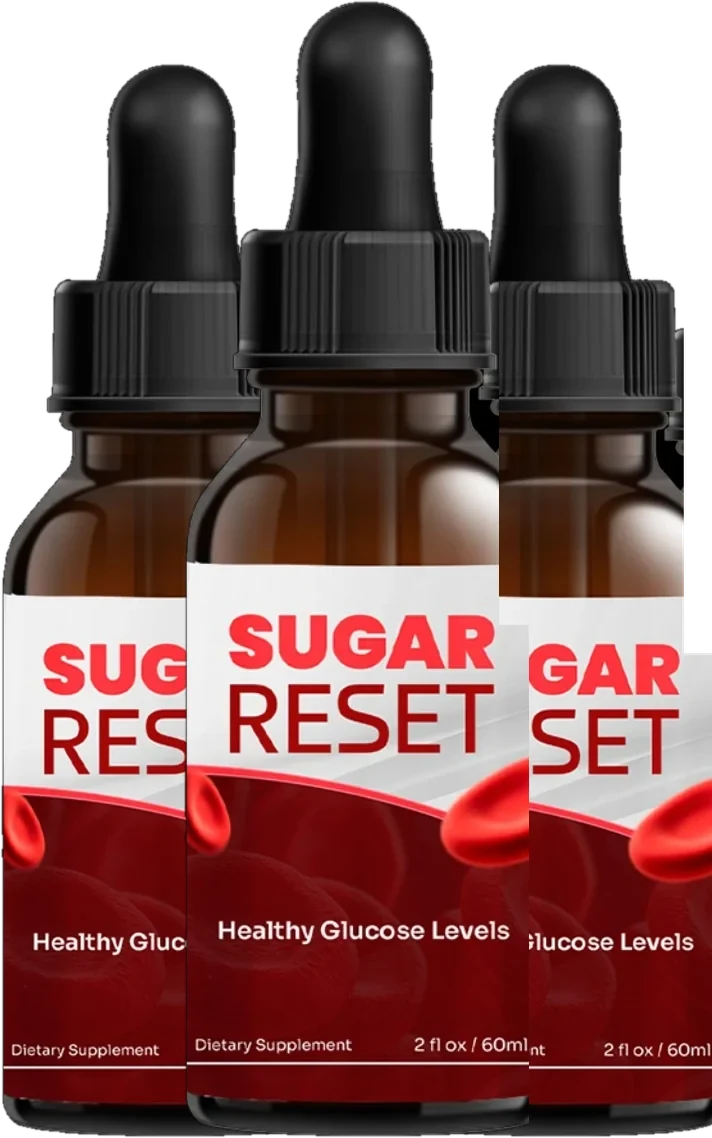
Does Sugar Reset publish a COA?
Ask the seller with your batch number and see what arrives. This site is independent of the manufacturer and cannot issue documents on their behalf.
Three More Guides
Ingredients Named Above
Support Healthy Blood Sugar The Simple Way
One dropper each morning, sixty days to decide, and a page for every ingredient so nothing is bought blind.
- Ten seconds a day, straight under the tongue
- Supports glucose already inside a healthy range
- Chromium carries its own declared amount
- Sixty days to send it back